
The relationship between human beings and God sits at the heart of both Christianity and Islam. Both faiths take it seriously. Both build entire ways of life around it. But when you look closely at how each tradition actually describes that relationship, something striking emerges. They are not describing the same thing at all.
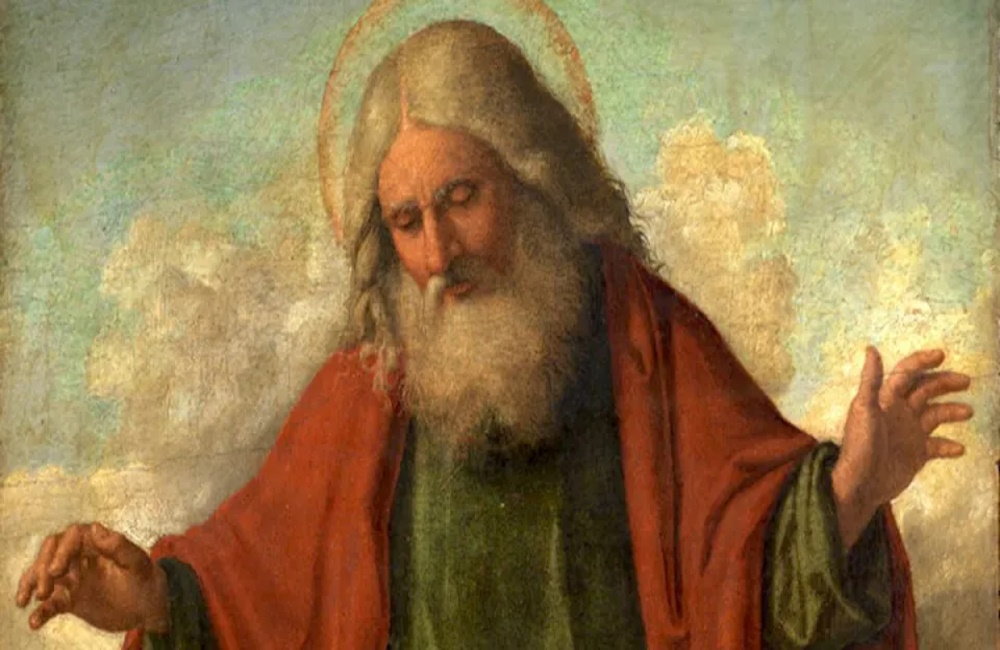
In Christianity, God is Father. Not metaphorically, not at a safe theological distance, but genuinely and personally Father. Jesus used this language constantly, and He meant it to land. He invited His followers into the same relationship He Himself had with God, a relationship of belonging, of love, of family. The Gospel of John puts it plainly: to those who received Him and believed in His name, He gave the right to become children of God. Not subjects. Not servants. Children. The Apostle Paul presses the point even further in his letter to the Romans, reminding believers that they have not received a spirit of fear and slavery, but a spirit of adoption, one by which they cry out to God with the intimate Aramaic word Abba, which is closer to “Dad” than any formal title. That is the register Paul is working in. That is the emotional and relational reality he is pointing to. A child running to a parent. A Father who pulls them close.
This shapes everything in Christian theology. Salvation is not primarily a legal transaction or an act of compliance. It is a restoration of relationship. The prodigal son doesn’t earn his way back into the household. He is seen from a distance, and his father runs to meet him. Grace, love, forgiveness, inheritance. These are the words that define how a Christian understands their standing before God. There is intimacy built into the architecture of the faith. Believers are not tolerated. They are wanted. They belong.
Islam begins from a different place entirely. The foundational word for the believer’s relationship to Allah is abd, meaning servant, or more precisely, slave. This is not incidental language. It is embedded throughout the Quran and Islamic theology as the defining description of what a human being is before God. Muslims are those who submit. The very word Islam means submission. The life of faith is understood as the life of one who fulfills Allah’s commands, lives within His boundaries, and orients every act toward obedience to His will. The Quran reminds believers repeatedly of Allah’s absolute sovereignty and of humanity’s complete dependence on Him. He is the Creator and they are the created. He is the Master and they are the servants. That gap is not something to be closed. It is something to be honored.
This is not presented as a diminishment within Islamic theology. To be abd Allah, a servant of God, is considered the highest possible human identity. The obedience is not coerced but offered freely as an expression of gratitude, reverence, and devotion. And yet the shape of the relationship remains one of structured submission rather than familial embrace. There is no equivalent in mainstream Islamic theology to the Christian idea of adoption into God’s family, of calling God Father, of being held as a cherished child.
The theological implications of this difference run deep. In Christianity, the paternal image of God pulls believers toward intimacy. Prayer feels like conversation with someone who knows your name and loves you regardless. Failure is met with grace rather than purely with judgment. The believer’s identity is grounded not in their performance but in whose child they are. In Islam, the emphasis on divine sovereignty and human servitude produces a different spiritual posture, one of deep reverence, careful obedience, and constant awareness of the distance between Creator and creature.
Both traditions produce lives of genuine devotion. Both take God seriously in ways that secular culture often does not. But they are not describing the same relationship. One pictures a Father who adopts, embraces, and calls His children by name. The other pictures a Master of absolute authority whose servants find their highest dignity in submission and obedience. The question each tradition quietly poses to anyone willing to sit with it is a simple one. When you imagine standing before God, who is it that you are standing before, and what does He see when He looks at you?